






In recent years, fire safety has evolved far beyond traditional methods. Today, technology makes it possible to fight flames more efficiently, with lower water consumption and less collateral damage. In this context, high-pressure water mist stands out as one of the most innovative and effective solutions within any modern fire protection system.
Unlike conventional systems that discharge large volumes of water, water mist technology generates microdroplets that cool, displace oxygen, and block thermal radiation almost immediately. This makes it an ideal option for commercial, industrial, agricultural, and even residential spaces where fast response and damage reduction are essential.
How does a high-pressure water mist system work?
A water mist system operates using high-pressure pumps that push water through special piping to nozzles designed to atomize the liquid into microscopic particles. These microdroplets create a “cloud” that acts in three simultaneous ways:
- Rapid cooling. The droplets absorb heat very efficiently, drastically reducing the temperature of the fire.
- Oxygen displacement. As the water evaporates, it generates steam that lowers the oxygen concentration around the flame.
- Thermal radiation blocking. The mist creates a barrier that limits the spread of heat to other areas.
Thanks to this combined effect, a water mist system can control a fire outbreak in its early stages, preventing it from turning into a larger disaster.
Advantages over traditional systems
Compared to conventional sprinklers or flooding systems, the use of water mist offers significant benefits both technically and economically.
Main advantages
- Lower water consumption. Up to 80–90% less water is used than in traditional systems.
- Reduced material damage. Since the space is not flooded, electronic equipment, goods, and structures are better protected.
- Fast and localized activation. The system acts exactly where the fire is detected, without affecting unaffected areas.
- Eco-friendly solution. Only water is used, with no chemicals or polluting gases.
- High adaptability. It can be easily integrated into an existing fire protection system.
This type of technology is especially valued by businesses that cannot afford long downtime after an incident.
Integration with detection and fire alarm systems
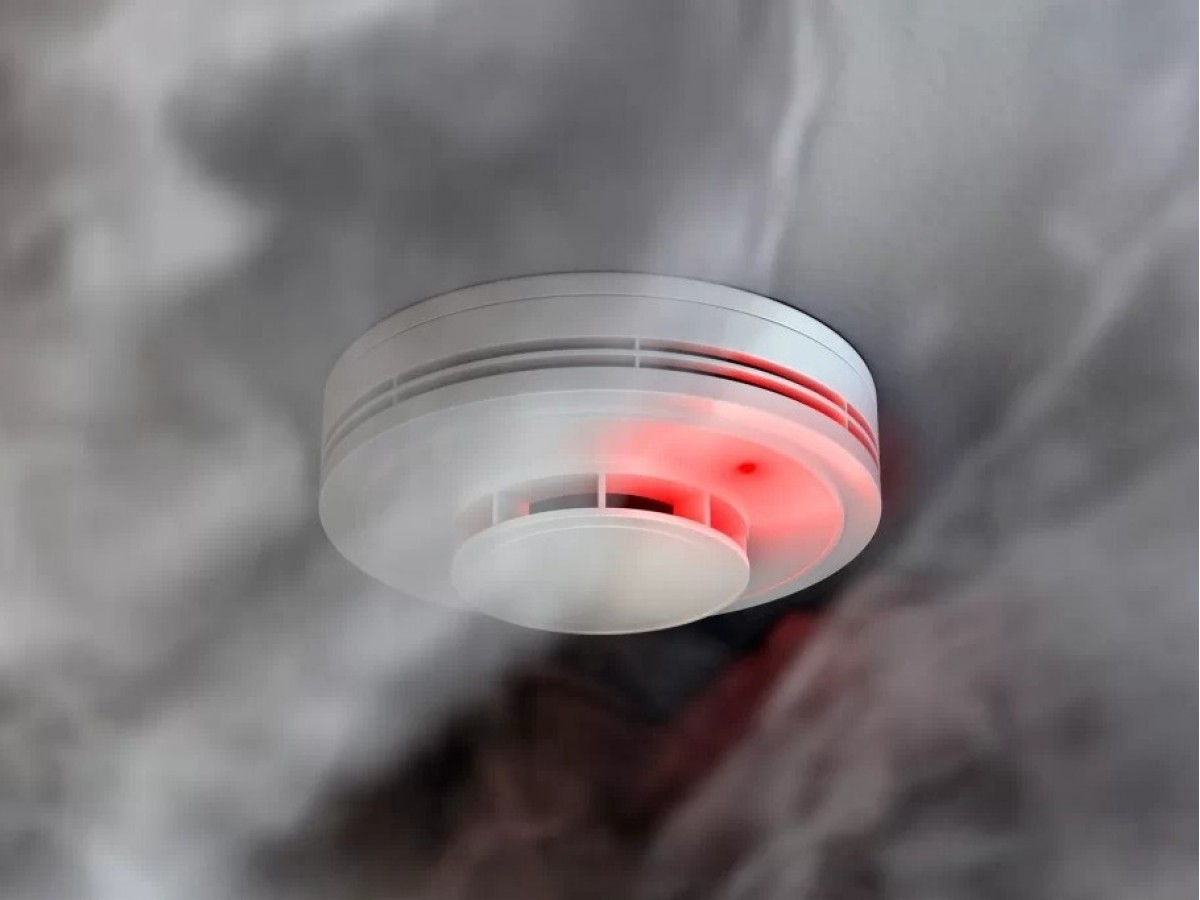
A good system does more than extinguish fire: it also detects it in time. Water mist is usually integrated with heat sensors, smoke detectors, and automatic fire alarm systems, creating an intelligent response network.
Key elements of the integration
- Smoke or temperature detectors that identify risk at an early stage.
- Control panel that analyzes the signal and activates the corresponding zone.
- High-pressure pump that drives the water.
- Nozzles that release the mist directly over the fire source.
This process can occur within seconds, making the difference between a controlled incident and a fire that gets out of control.
Most common applications of water mist
The versatility of this technology makes it ideal for multiple sectors where fire protection is a priority.
Sectors where it stands out
- Industrial warehouses and factories. Protection of machinery, production lines, and storage areas.
- Shopping centers and stores. Safety without damaging products or facilities.
- Technical rooms and data centers. Perfect for spaces with sensitive electronic equipment.
- Agricultural and livestock facilities. Farms, greenhouses, and feed storage areas.
- Parking garages and tunnels. Fast control of fires in enclosed spaces.
In all these cases, a water mist-based fire protection system reduces risks without compromising the operation of the facility.
Main components of a water mist system
To understand its effectiveness, it is important to know the parts that make up a high-pressure fire protection system:
- High-pressure pump: the heart of the system, generating the pressure needed to atomize the water.
- Stainless steel piping network: resistant to pressure and corrosion.
- Atomization nozzles: designed to produce uniform microdroplets.
- Control valves: regulate zone activation.
- Detection and control system: connects sensors, panels, and automatic activation.
Each element is designed to work in coordination and ensure an immediate and effective response.
Why choose this technology for your business?
The decision to install a water mist system is not only about meeting regulations, but also about protecting investment, operational continuity, and people’s safety.
Strategic benefits
- Fewer interruptions after an incident. By reducing water damage, recovery is much faster.
- Improved safety image. Customers and employees value spaces protected with advanced technology.
- Long-term savings. Less damage, fewer repairs, and lower product losses.
- Regulatory compliance. More and more regulations recognize and approve water mist as an effective solution.
That is why many fire protection companies already recommend this technology as an alternative or complement to traditional systems.
High-pressure water mist represents an intelligent evolution in the fight against fire. Its ability to cool quickly, limit fire spread, and minimize damage makes it a modern, efficient, and sustainable solution. Integrated into a well-designed fire protection system, it offers a superior level of safety for all types of spaces.
Choosing this technology means choosing real prevention, the protection of people, and the continuity of your activity. In an environment where every second counts, having a fast, precise, and effective system can make the difference between a minor incident and an irreparable loss.
Write a comment